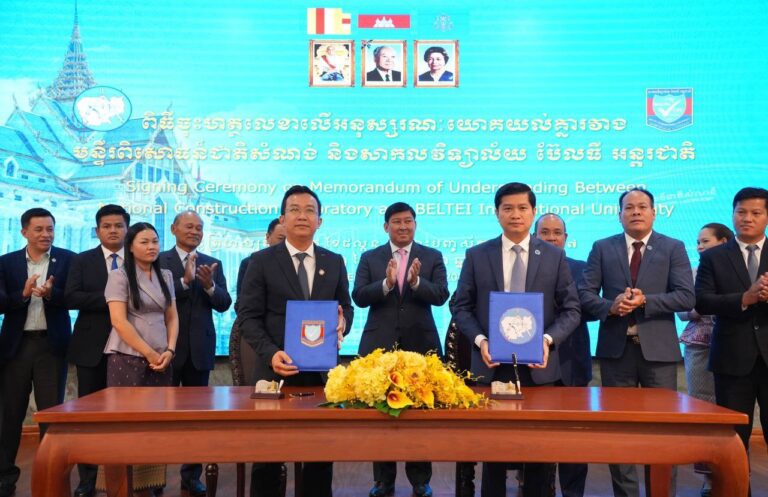
(Phnom Penh): The National Construction Laboratory and BELTEI International University have signed a memorandum of understanding to promote the training and development of human resources in the construction sector for better results.
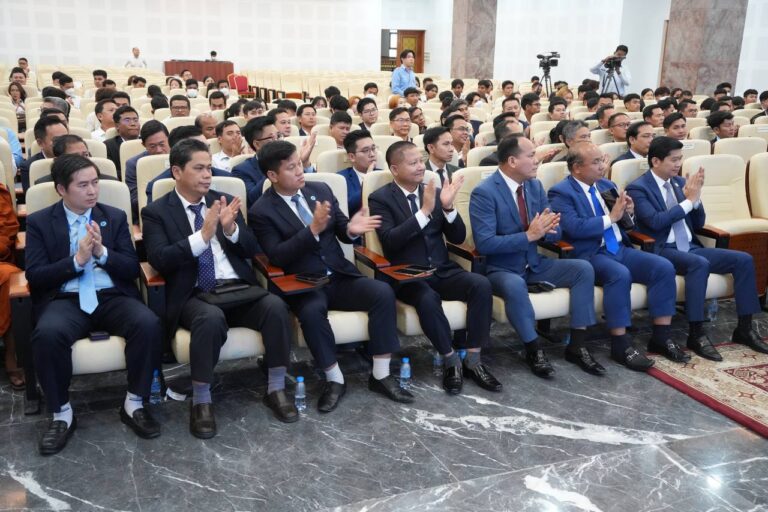
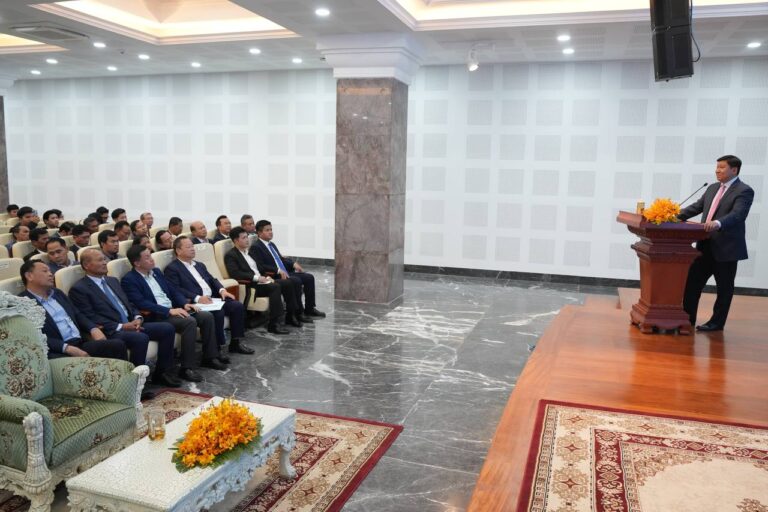
The memorandum signing ceremony on the afternoon of March 14, 2024 at the Ministry of Land Management, Urban Planning and Construction was attended by HE Say Samal, Deputy Prime Minister, Minister of the Ministry of Land Management, Urban Planning and Construction, HE Ly Navudh, Rector of BELTEI International University, as well as leaders, civil servants, the Ministry of Land Management, leaders, staff, professors, and students of the university.
Through this Memorandum, the National Construction Laboratory and BELTEI International University will jointly benefit from key points such as (1) opportunities for BELTEI International University students to receive internships and direct training at the National Construction Laboratory, as well as participation in seminars organized by the Ministry of Land Management (2) cooperation on research and development related to construction materials, equipment and products (3) 20 30% scholarships annually for associate’s to doctoral degrees in all majors to the Ministry of Land Management.
The leadership of the Ministry of Land Management expressed their appreciation and high appreciation for the National Construction Laboratory for its timely response to the Royal Government’s policy on human capital development, which the Prime Minister has called a valuable asset and a foundation for the development of the national society.
HE Say Samal said that the signing of the memorandum between the National Construction Laboratory and BELTEI International University today will contribute to developing more quality human resources for the construction sector, and today's achievements also reflect the partnership between the state and the private sector in contributing to supporting the Pentagon Strategy, Phase 1 of the Royal Government's 7th mandate, by identifying 5 key priorities: people, roads, water, electricity, and technology.